

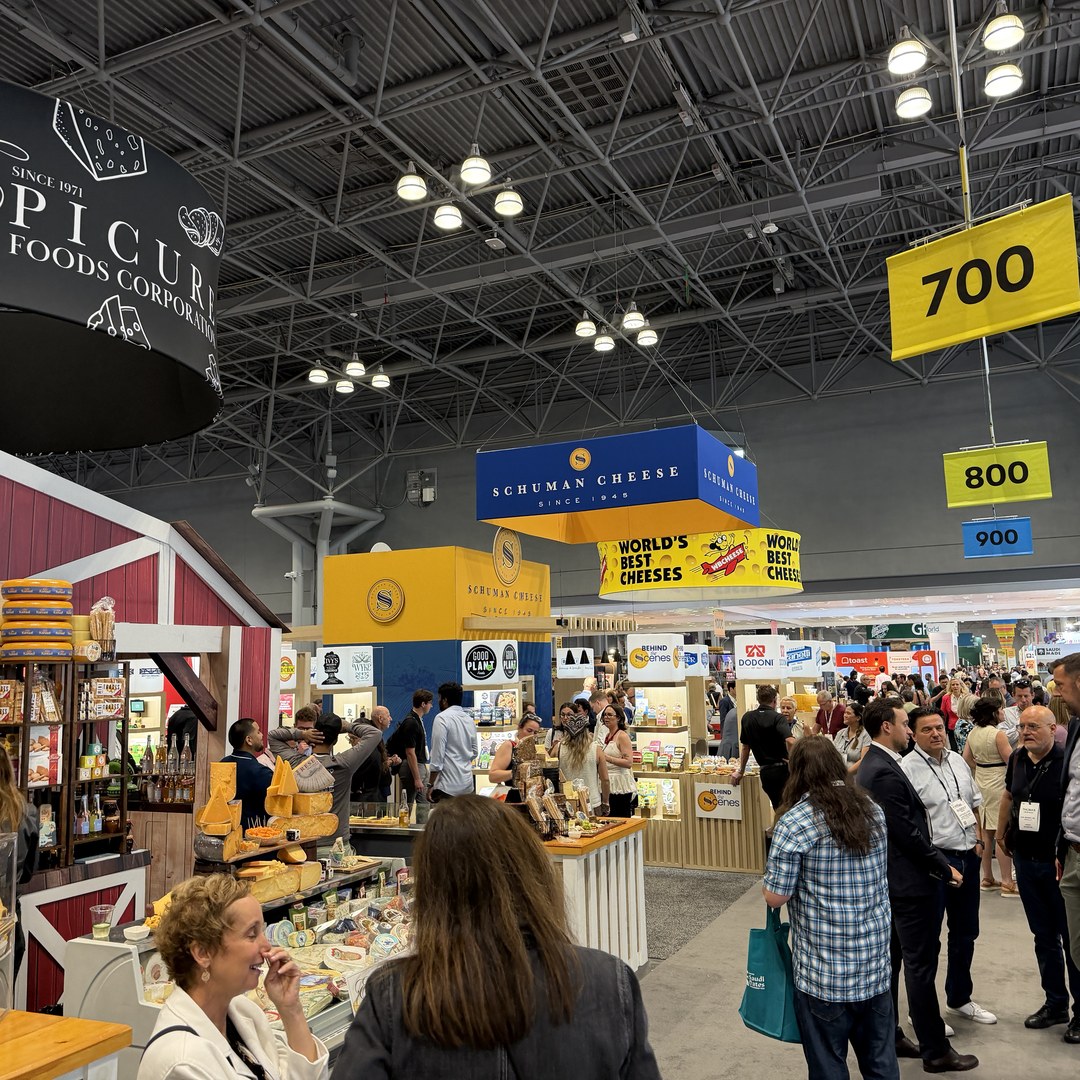
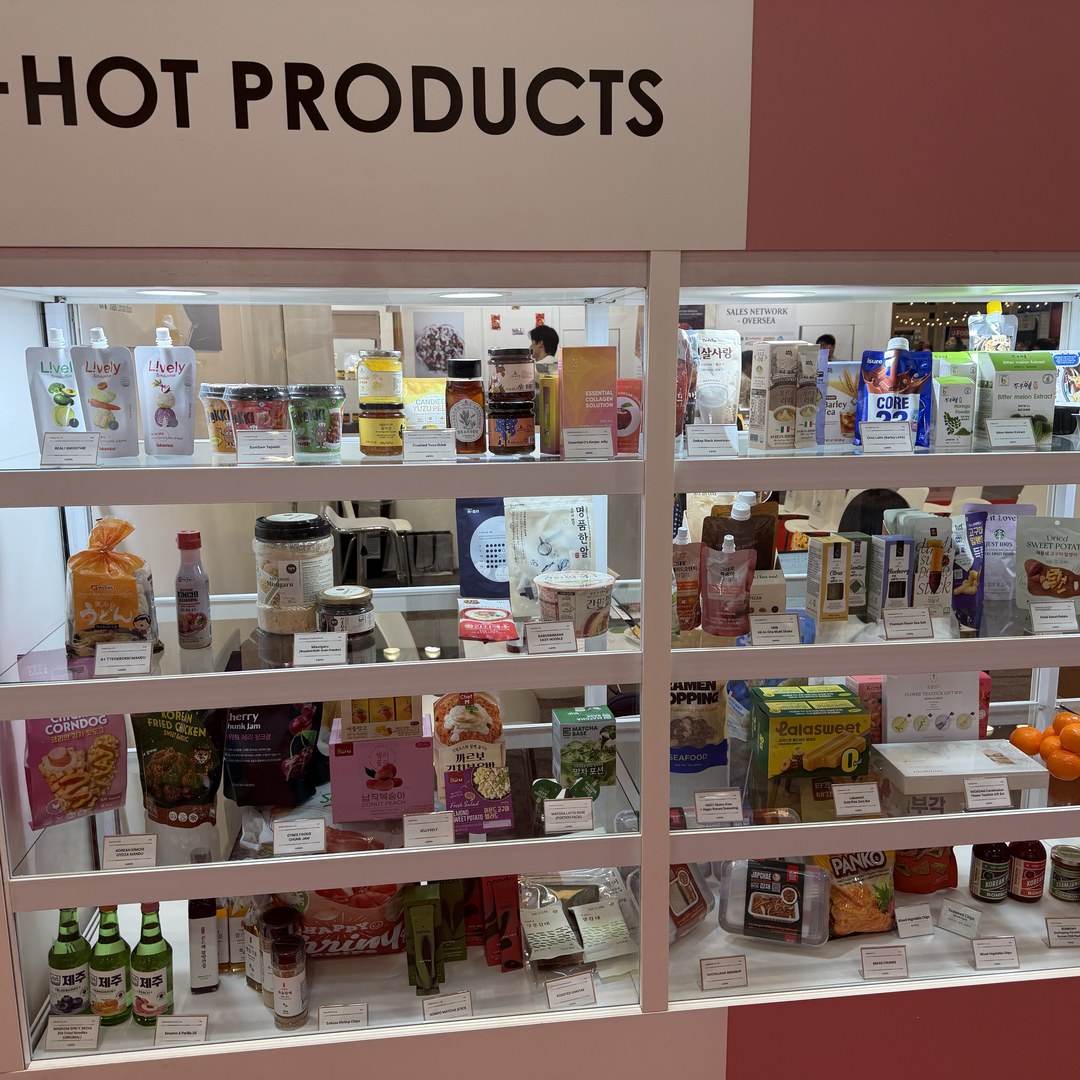



Walking the Summer Fancy Food Show this year, one theme sat underneath everything else on the floor. It has never been easier or cheaper to get a new food product onto a shelf. The expertise to build a brand, the capital to manufacture it, and the access to a serious buying audience were all once real gates that kept most ideas out. This year every one of them looked wide open. Three stories made the shift visible: a flood of baked goods, a wave of founder-led startups, and an import landscape playing a very different game. When entry gets this easy, the question for every manufacturer stops being what is trendy and becomes where my advantage actually lives now.
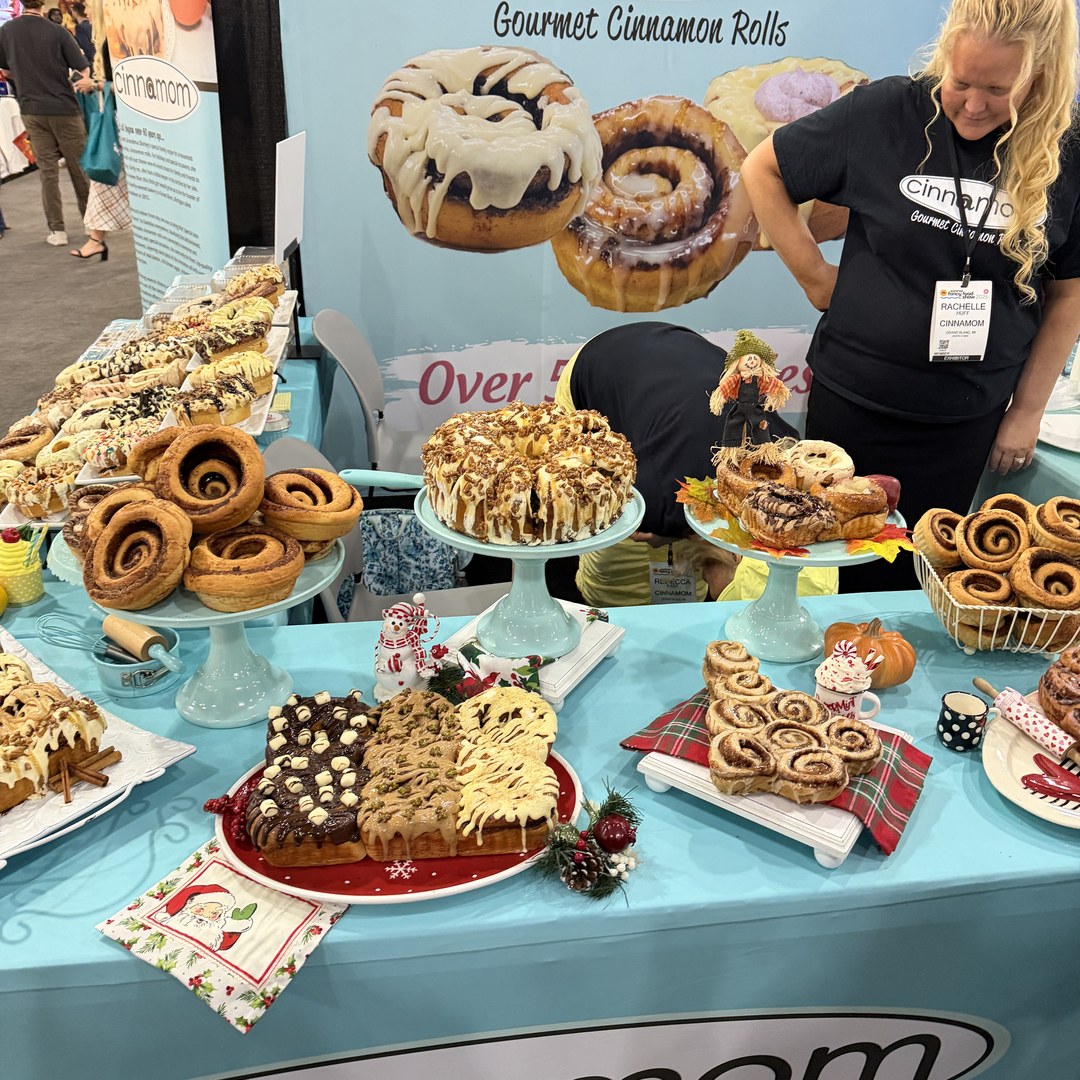
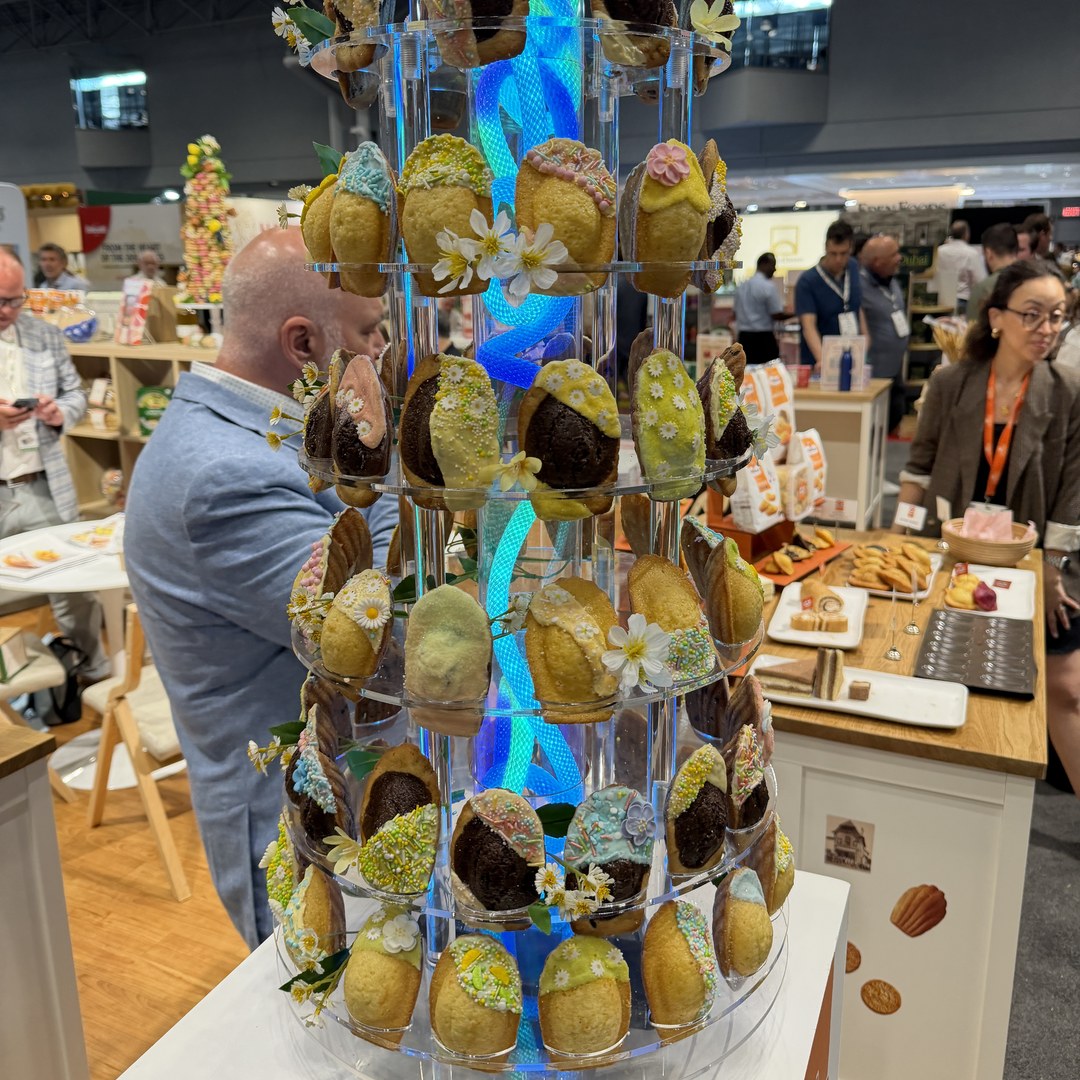
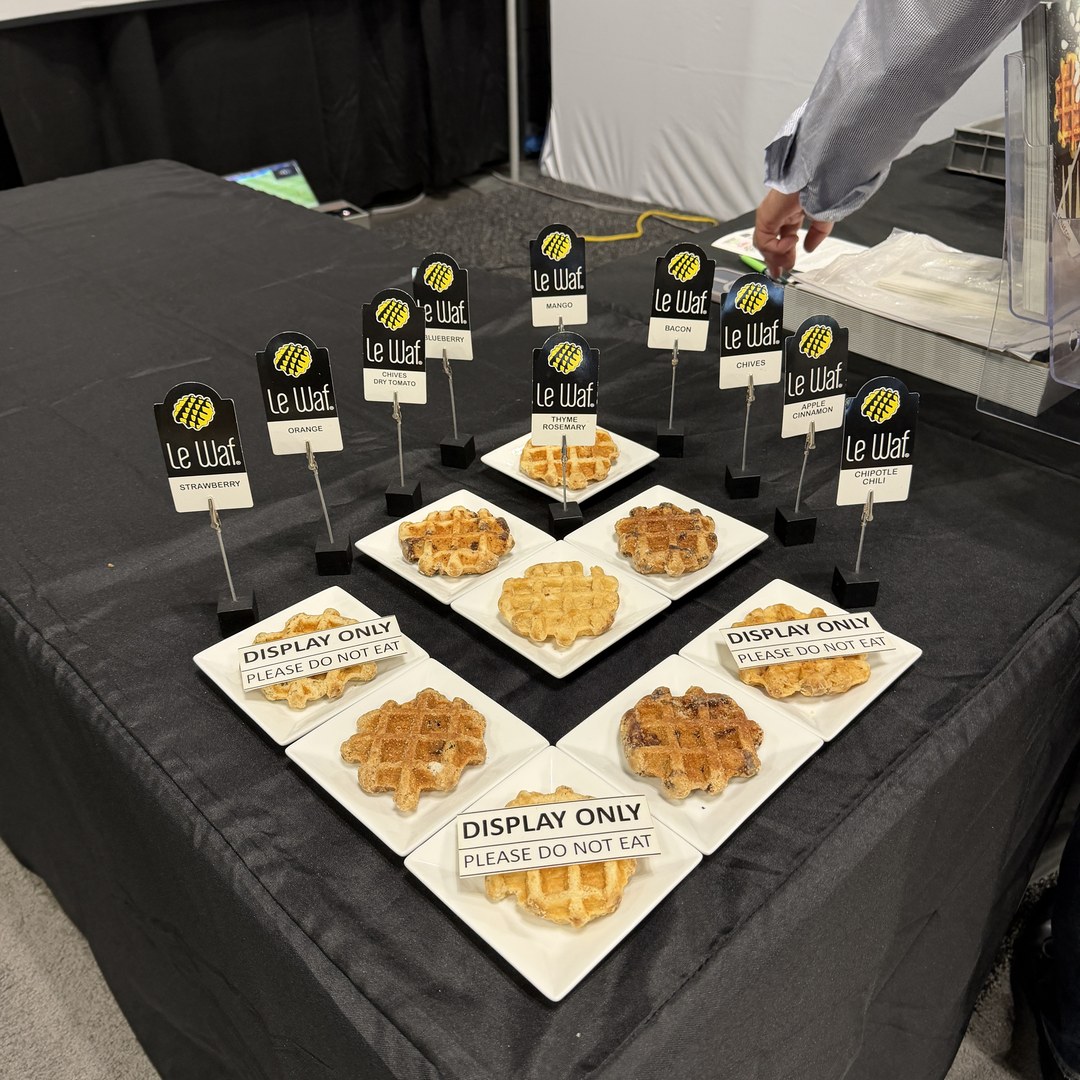
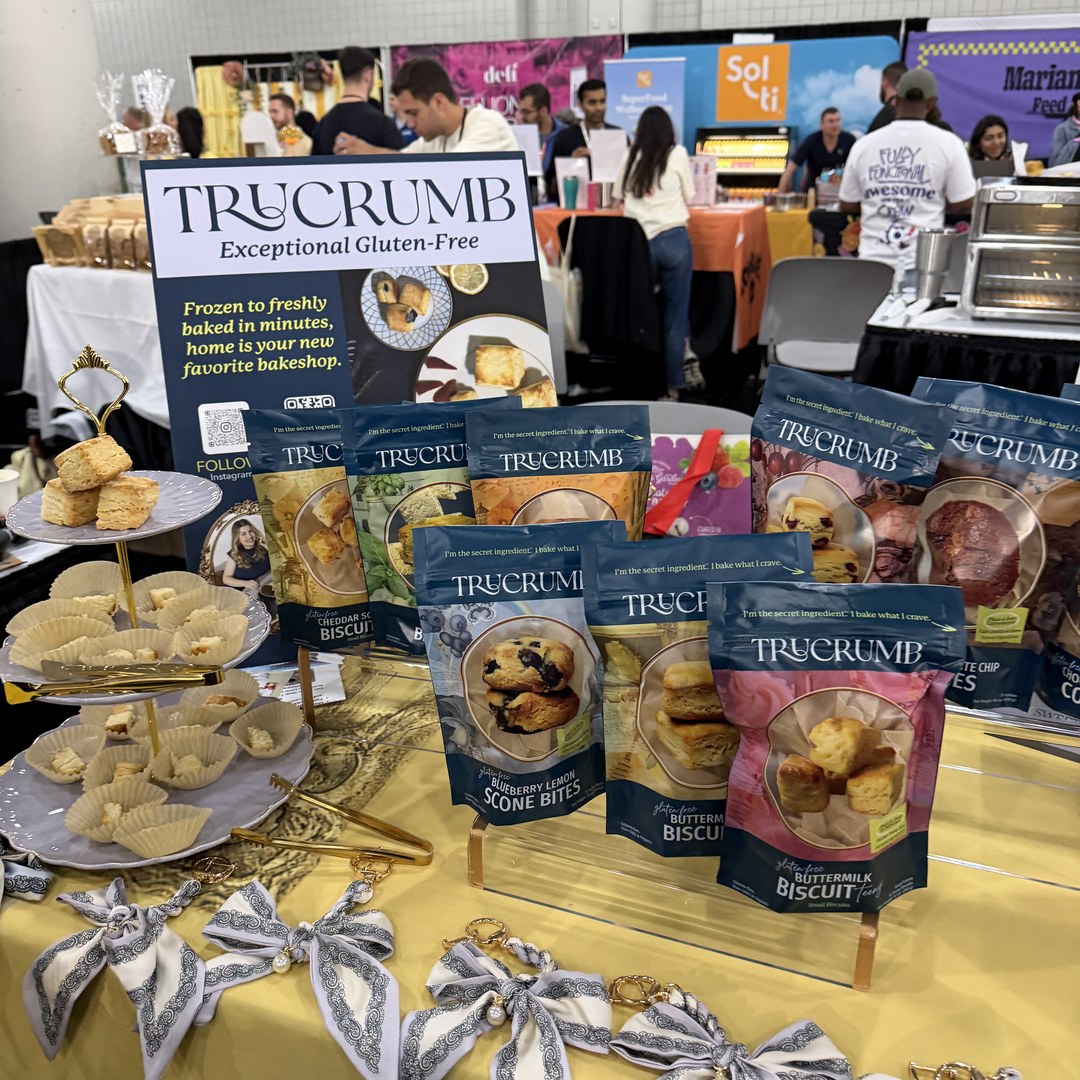
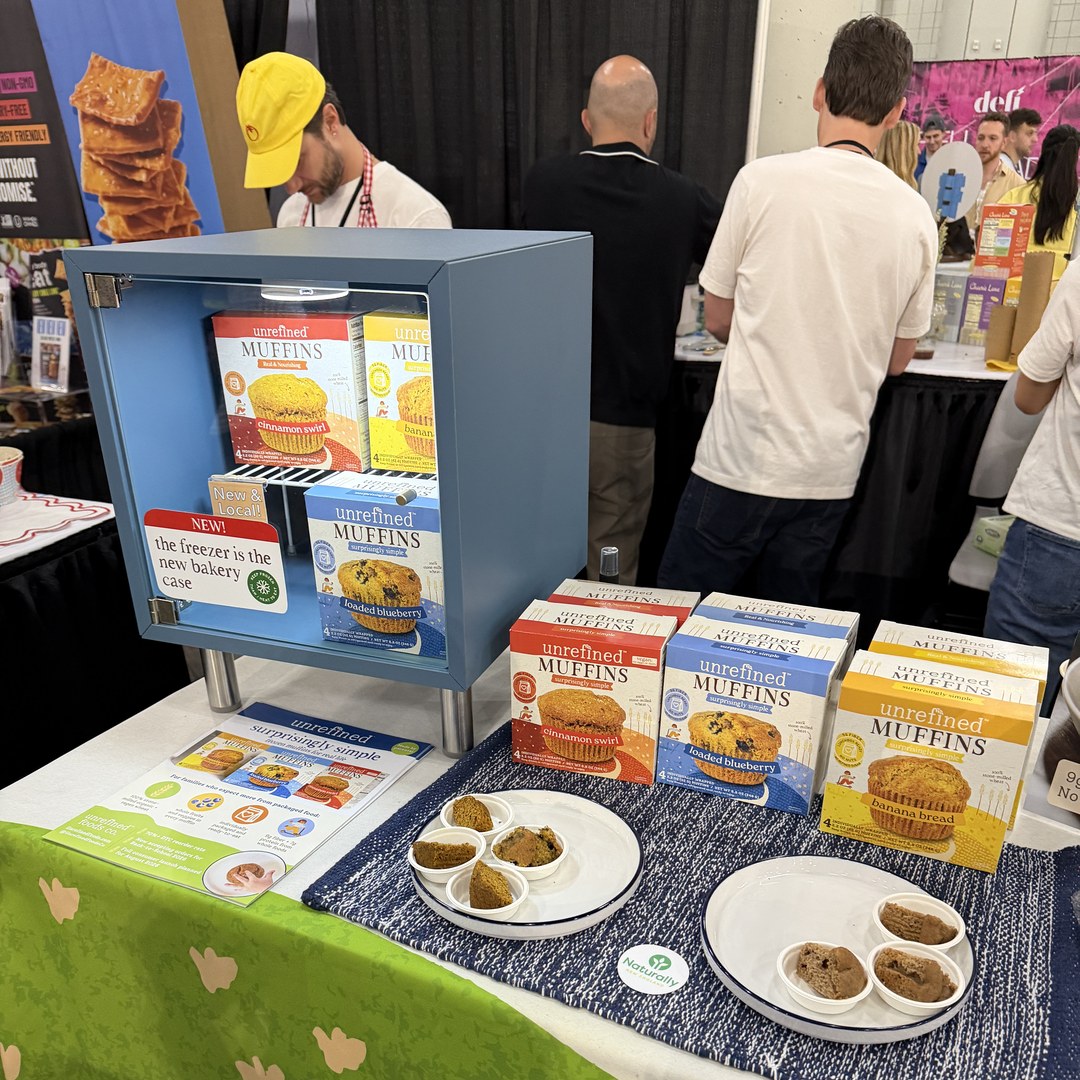
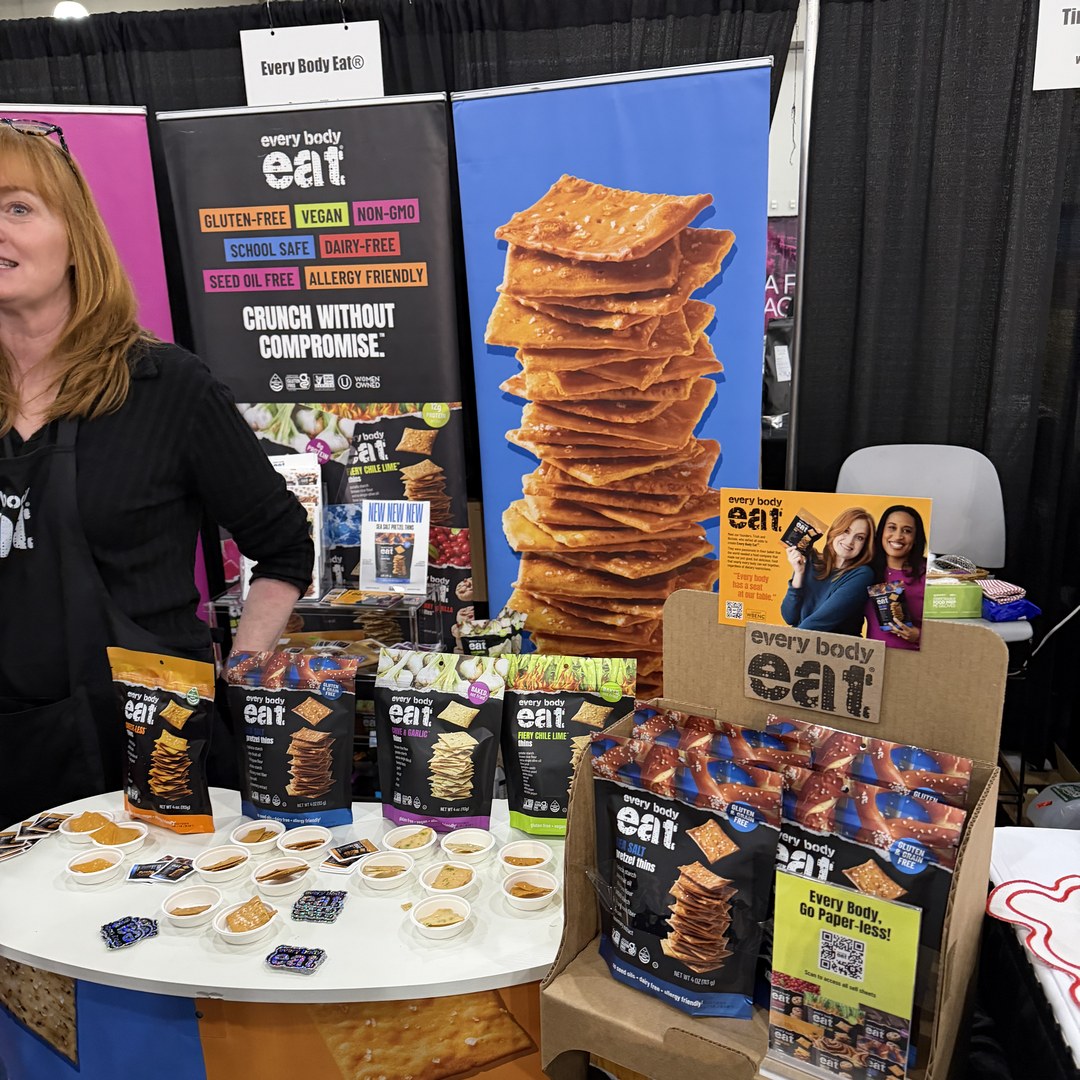
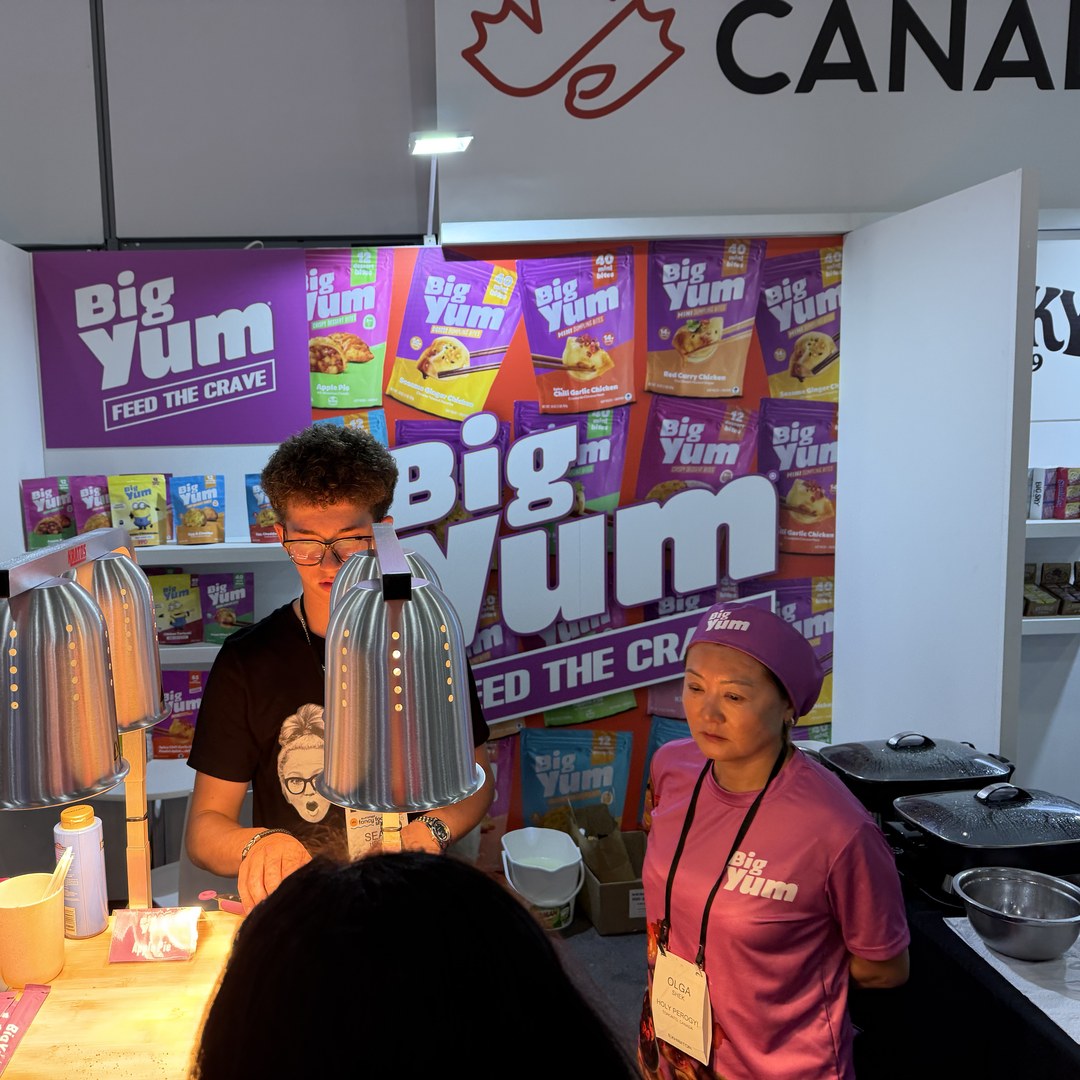
The hottest category going was anything baked, and cookies and crackers led the charge. Booth after booth stacked them, from Cinnamom’s gourmet cinnamon rolls to gluten-free biscuits and scones baked fresh on the floor. On paper this makes no sense. Snacking has softened in recent quarters as GLP-1 adoption and the protein shift pull consumers elsewhere, so why the surge?
The answer is that a packed show floor measures how easy a category is to enter, not how badly consumers want more of it. Baked goods are inexpensive to produce and simple to launch, so that is where new entrants pile in. A floor thick with cookie and cracker booths is evidence that they are cheap to make, not that America is short on either. Read that way, the boom looks less like demand and more like a crowded shelf and a fast shakeout waiting to happen. There is a demand-side piece too. In a value-strapped cycle, a premium cookie is the affordable indulgence, the small trade-up a shopper still permits herself when the bigger rewards are off the table. We saw the same instinct at the 2026 National Restaurant Show, where operators leaned on value and affordability to hold their traffic. When foodservice and the grocery aisle both reach for the cheapest version of a treat at the same time, that is a consumer signal worth tracking, not a coincidence.
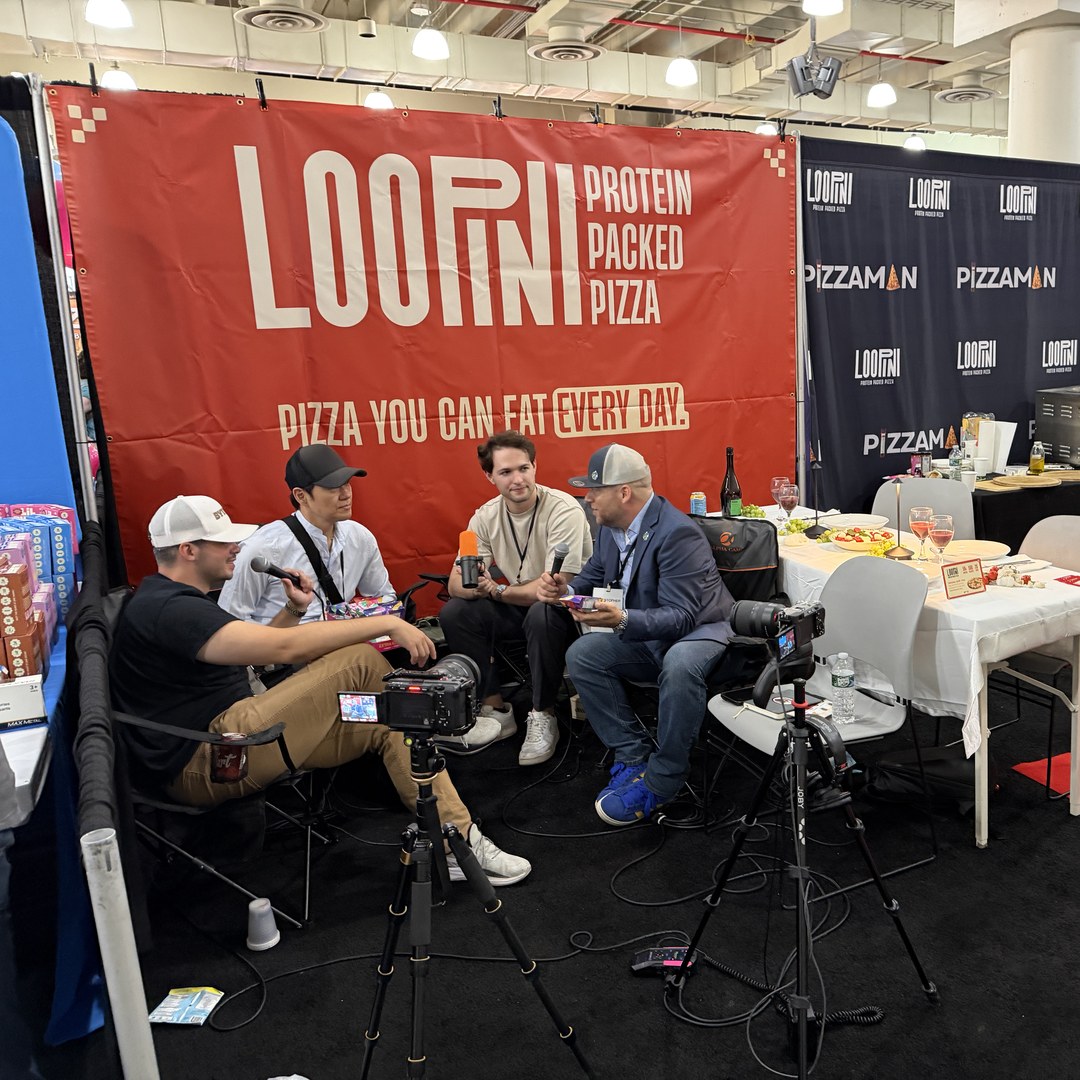
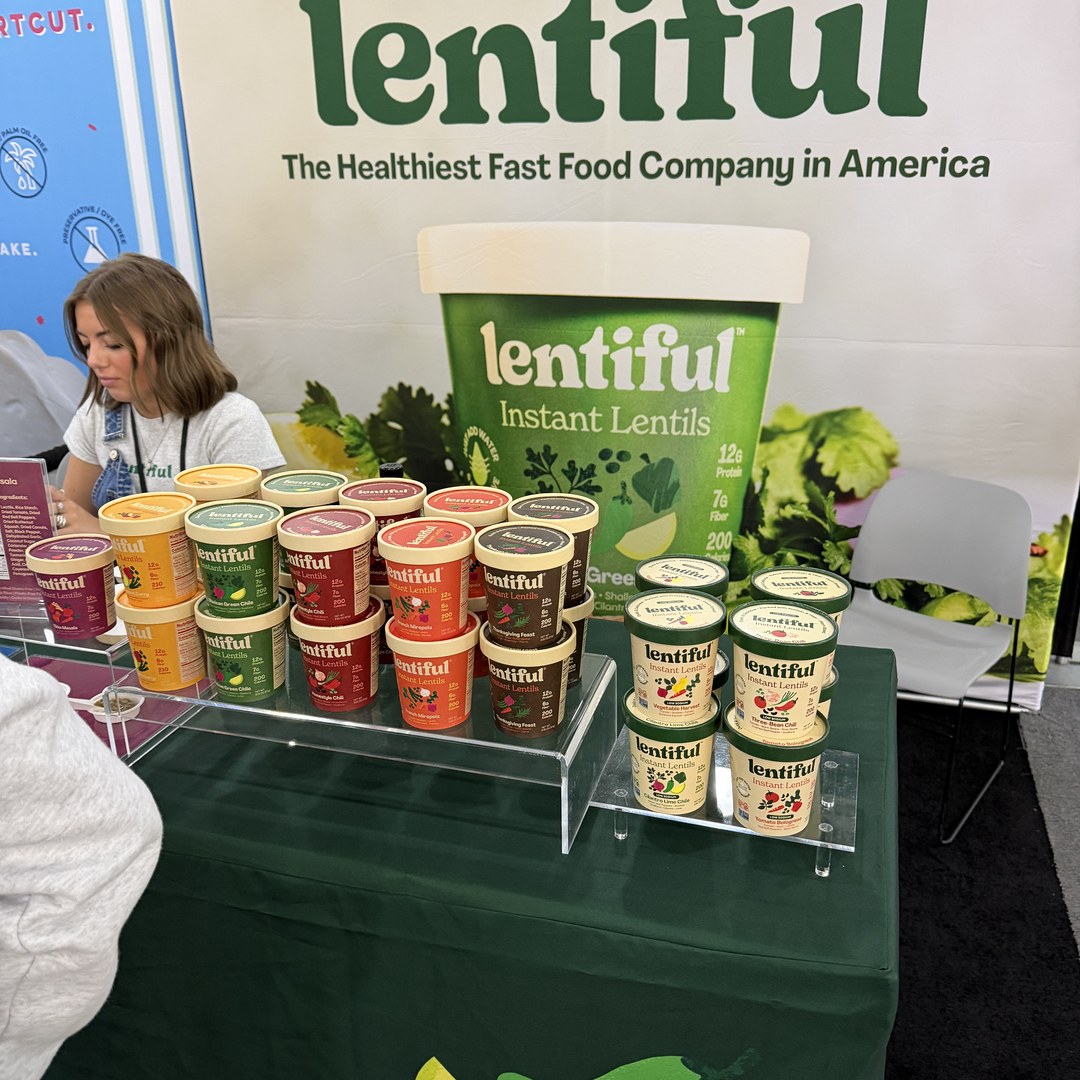
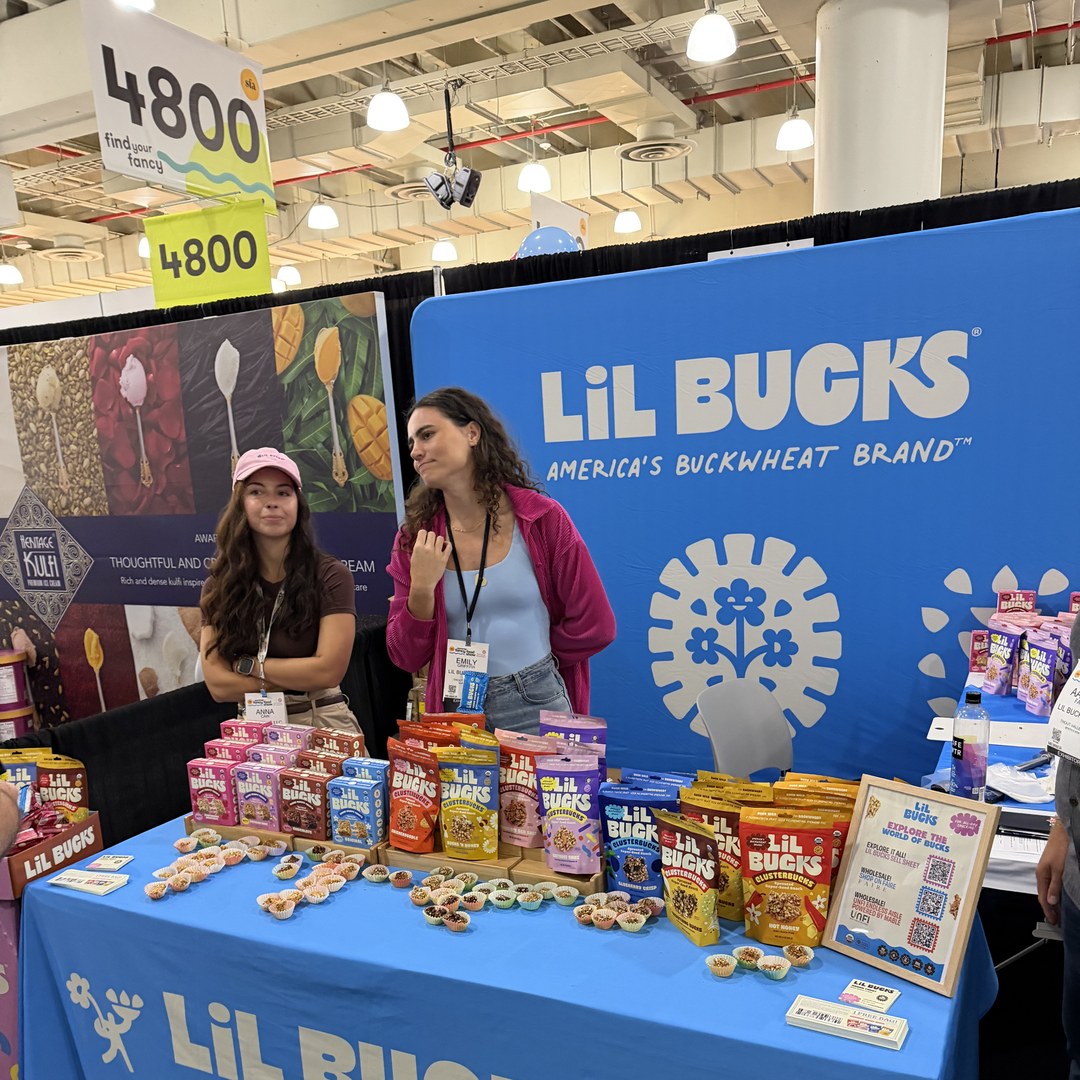
Protein remained a headline claim across the show, appearing in categories where you would not expect it. Loopini’s protein-packed pizza and lentiful’s instant lentil cups, billed as the healthiest fast food in America, both showed how far the claim has traveled from bars and shakes. The newer arrival was fiber, stamped on front panels right beside the protein count. This pairing is not decoration. GLP-1 users are counseled to prioritize protein and fiber specifically, because a smaller appetite means every bite has to carry its weight in satiety and nutrition. The claims stack on the show floor is tracking clinical guidance, and lentils and buckwheat are not trends so much as the delivery vehicles that carry both claims at once. Brands like LiL BUCKS are building entire lines on that logic.
A word of caution on fiber, though. Protein and fiber are not the same kind of trend, because they do not behave the same way in the body. Nobody knows how much protein they actually need, so they simply eat more, and there is no real penalty for overshooting. Fiber is less forgiving. Push the dose too far, too fast, and the consequences are immediate and, let us say, memorable. Right now every booth seems to be jamming fiber into everything, which makes me think this runs shorter and more nuanced than protein. Protein has a long runway. Fiber has a ceiling, and consumers will find it the hard way.
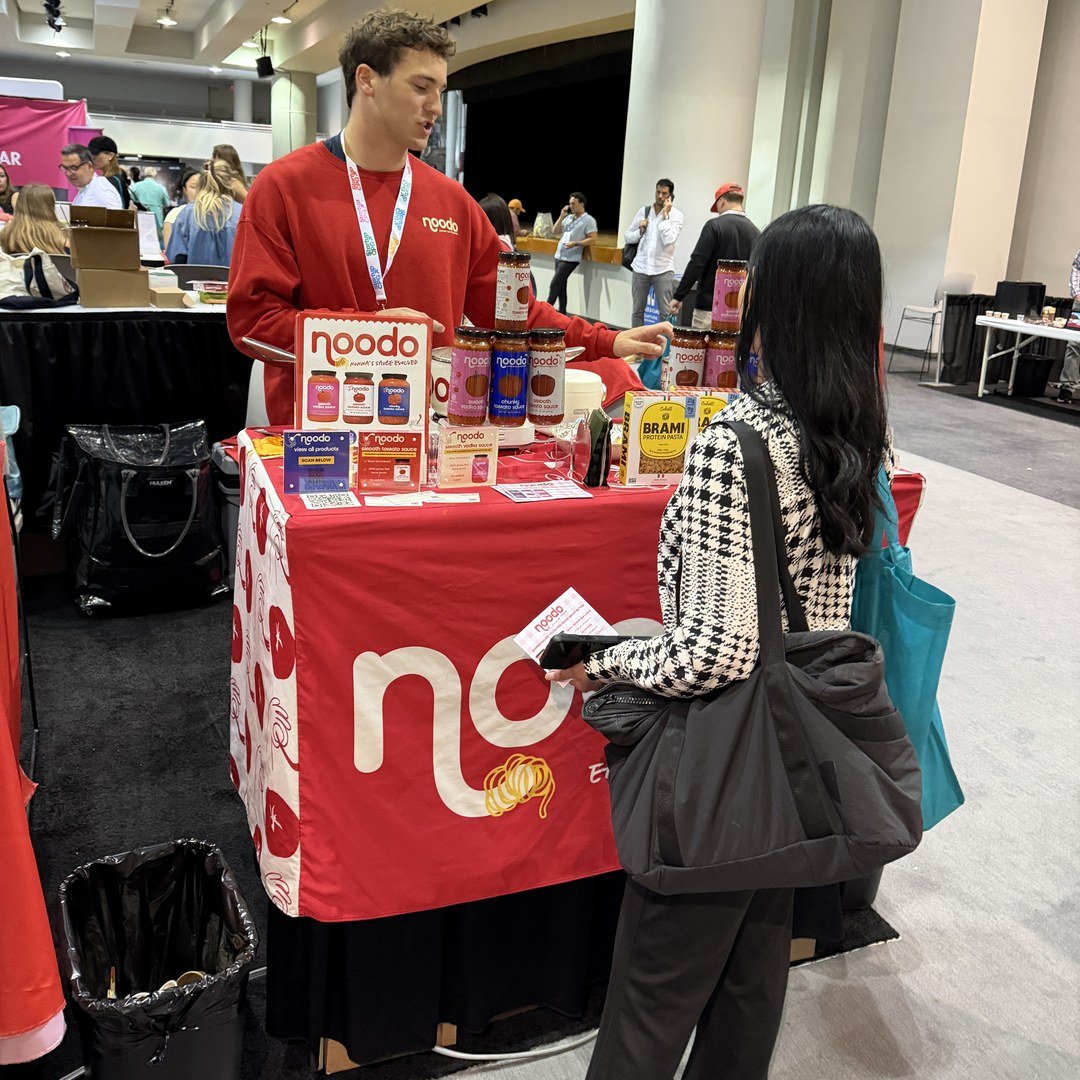
The show’s innovation space told its own story. Booth after booth featured founders selling mom’s best pasta sauce, the best cookie you have ever had, or a cracker they have always believed in. The shift away from functional ingredients and back toward the maker’s personal story was unmistakable, and it points to something larger than a single show.
AI has collapsed the cost of launching a brand. Design, copy, packaging, positioning, even formulation research that used to require a team and a budget now sit within reach of one motivated founder and a laptop. The Wall Street Journal reported this week that elite college students are skipping traditional internships to join AI incubators and build startups instead. That energy is coming to food, and these shows will devote more space to startups every year as a result. Here is the consequence that matters. Brand supply is about to explode while consumer attention stays flat. When supply outruns attention, a founder’s story stops being a differentiator, because every booth has one. The scarce assets become a validated consumer need and a real path to distribution, and the founders who broke through this year were the ones who had both.
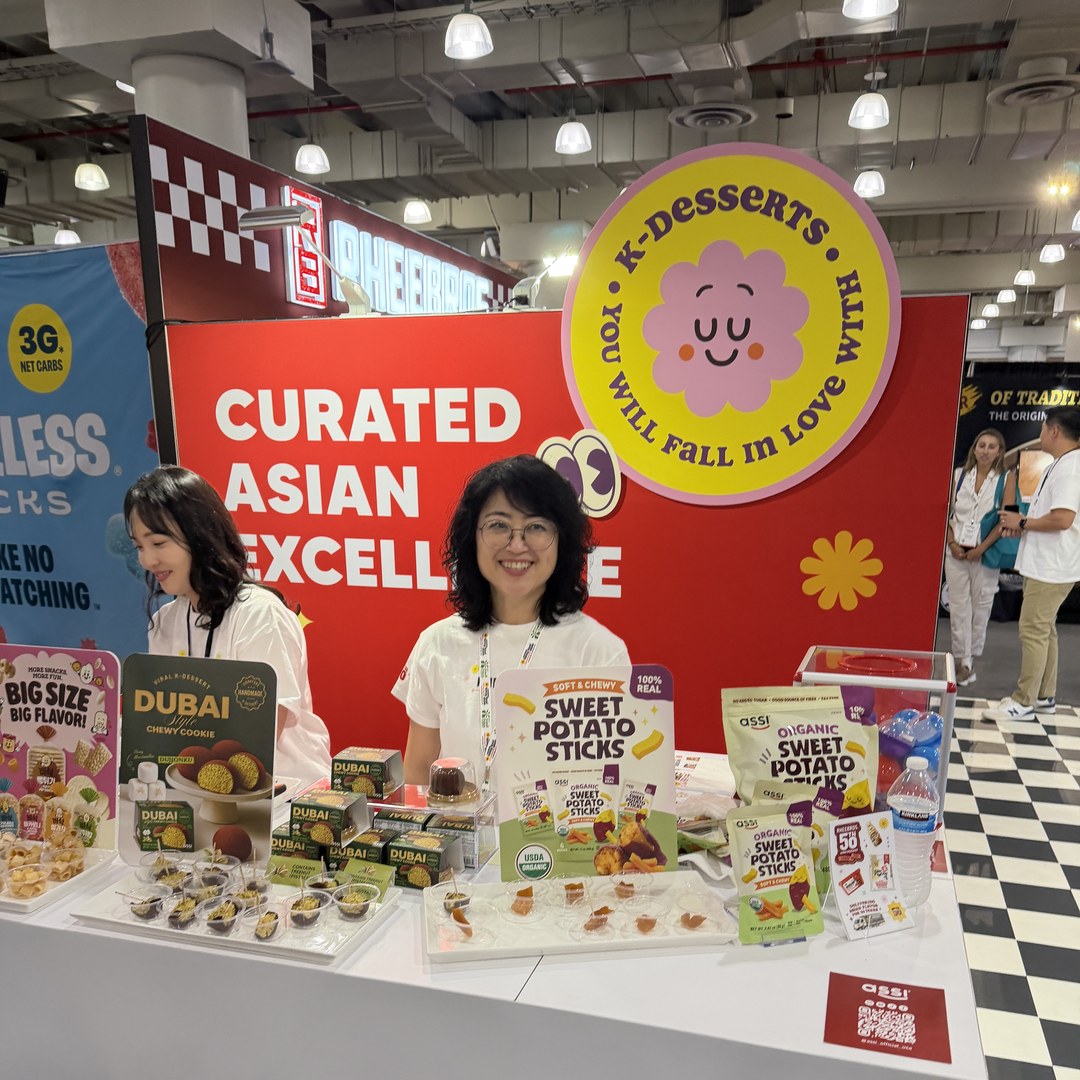
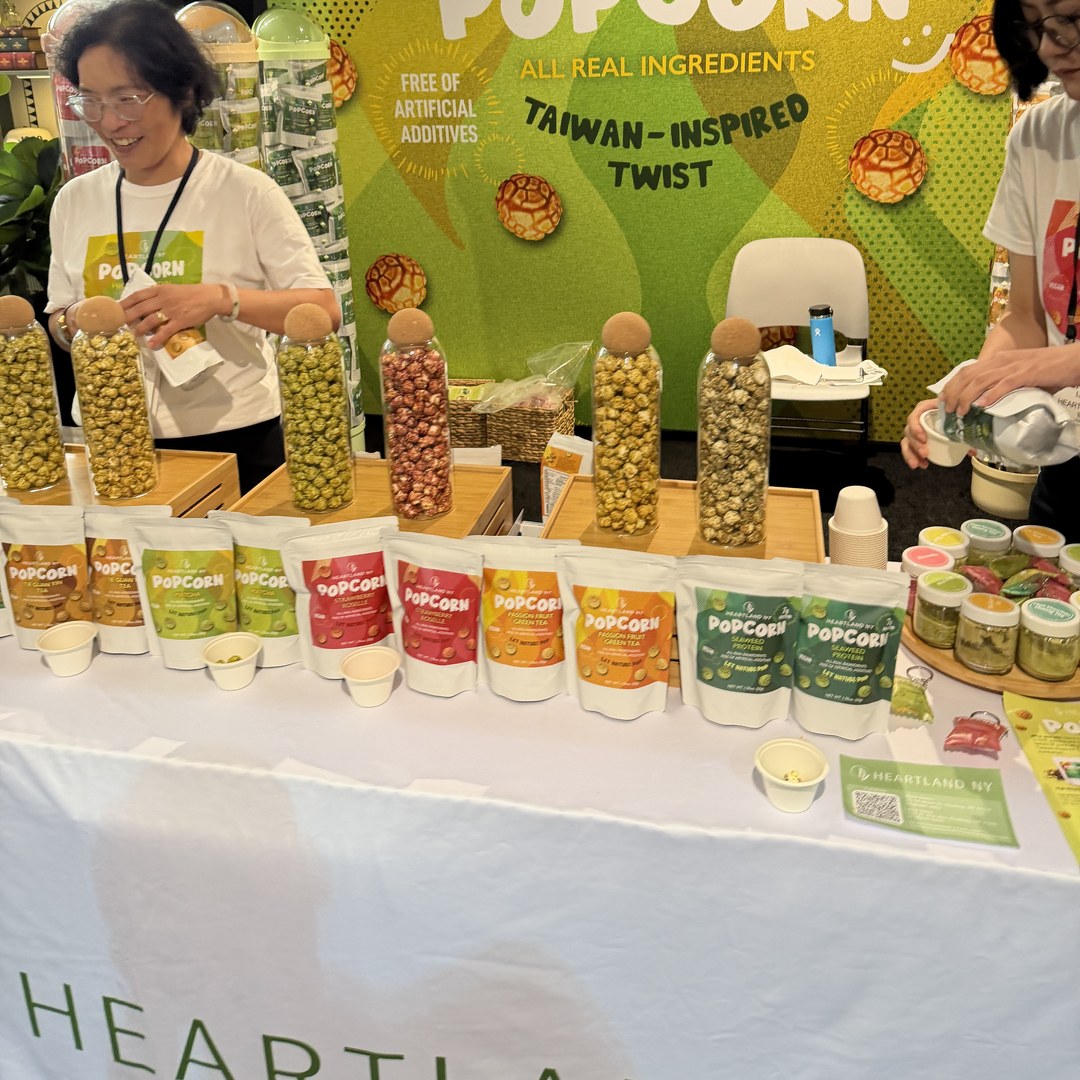
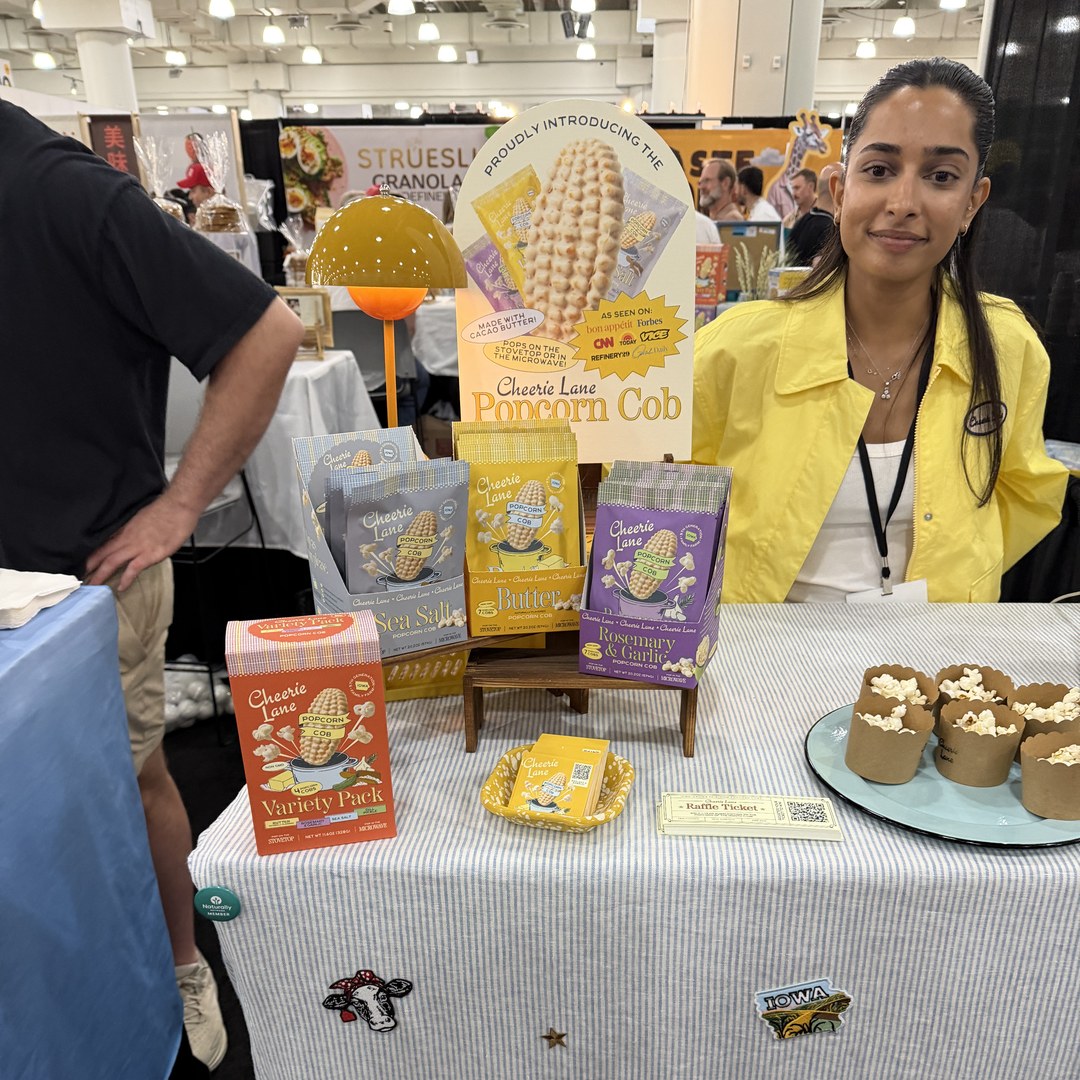
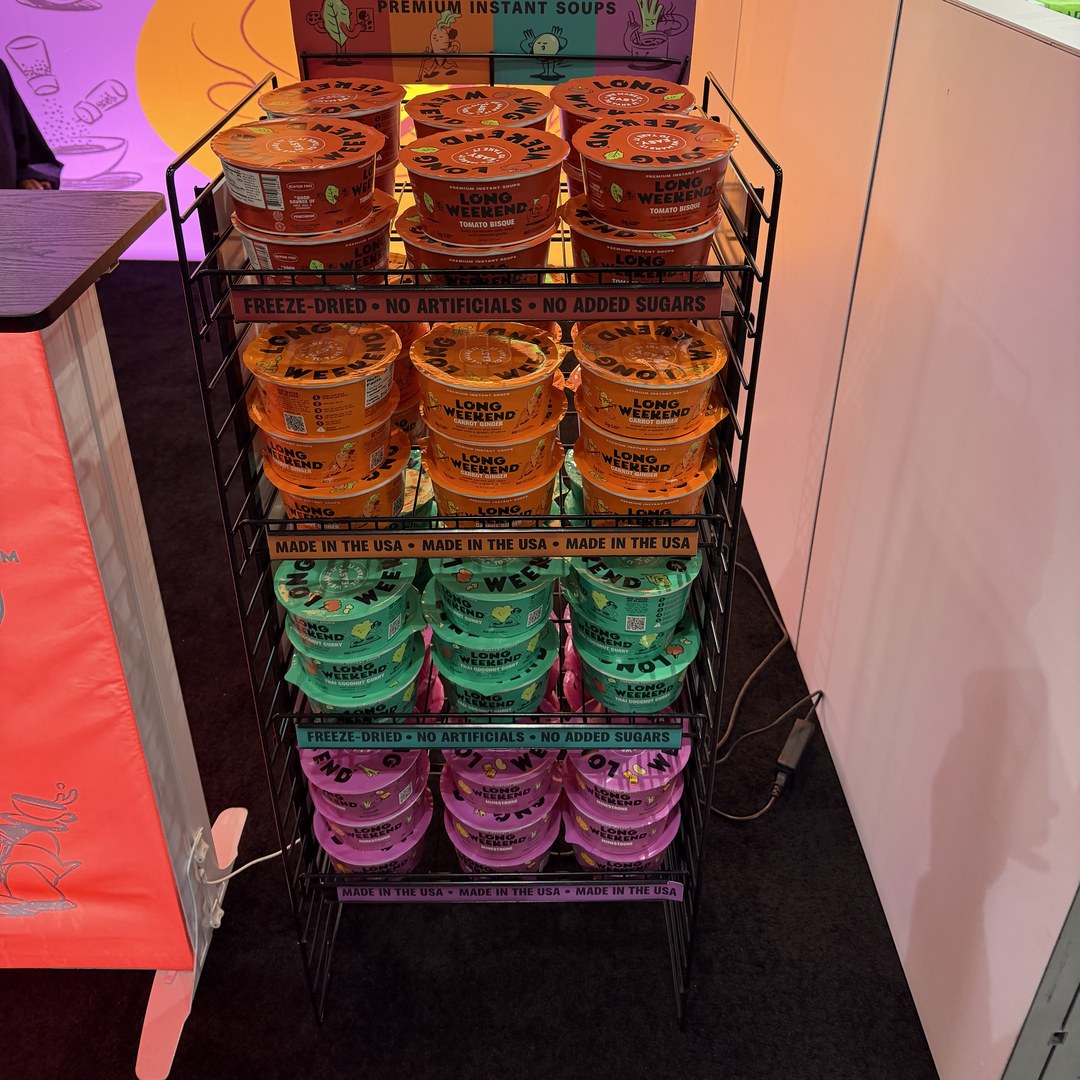
Global flavor was the proof. Multicultural flavors have sat on trend sheets for a decade without ever materializing at scale, and this year they finally arrived in force, from Taiwan-inspired popcorn to premium freeze-dried soups. The startups cracked it by treating global flavor not as a gimmick but as a genuine point of entry into a tired category. For established manufacturers, this corner of the floor is worth more than a walk-through. It is an R&D radar and, increasingly, an acquisition pipeline. Watching or buying a validated concept is cheaper and faster than incubating one from scratch.
This has always been a show of importers. Parmigiano Reggiano, Sicilian olive oil, Greek olives, the best the world has to offer. Finding importers at Fancy Food was not new this year. What was new was how many came from Asia, and how deliberately they worked both ends of the market at the same time.
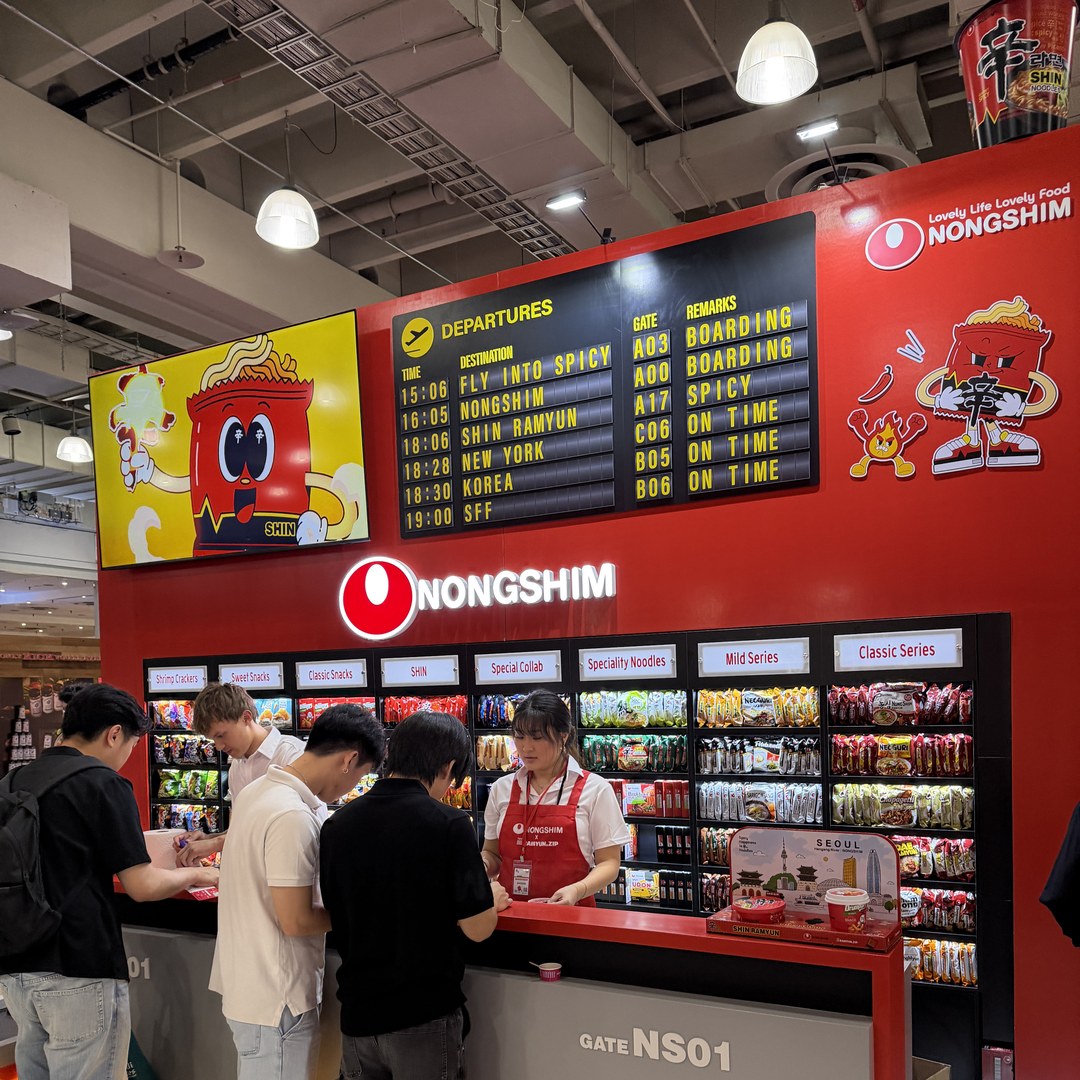
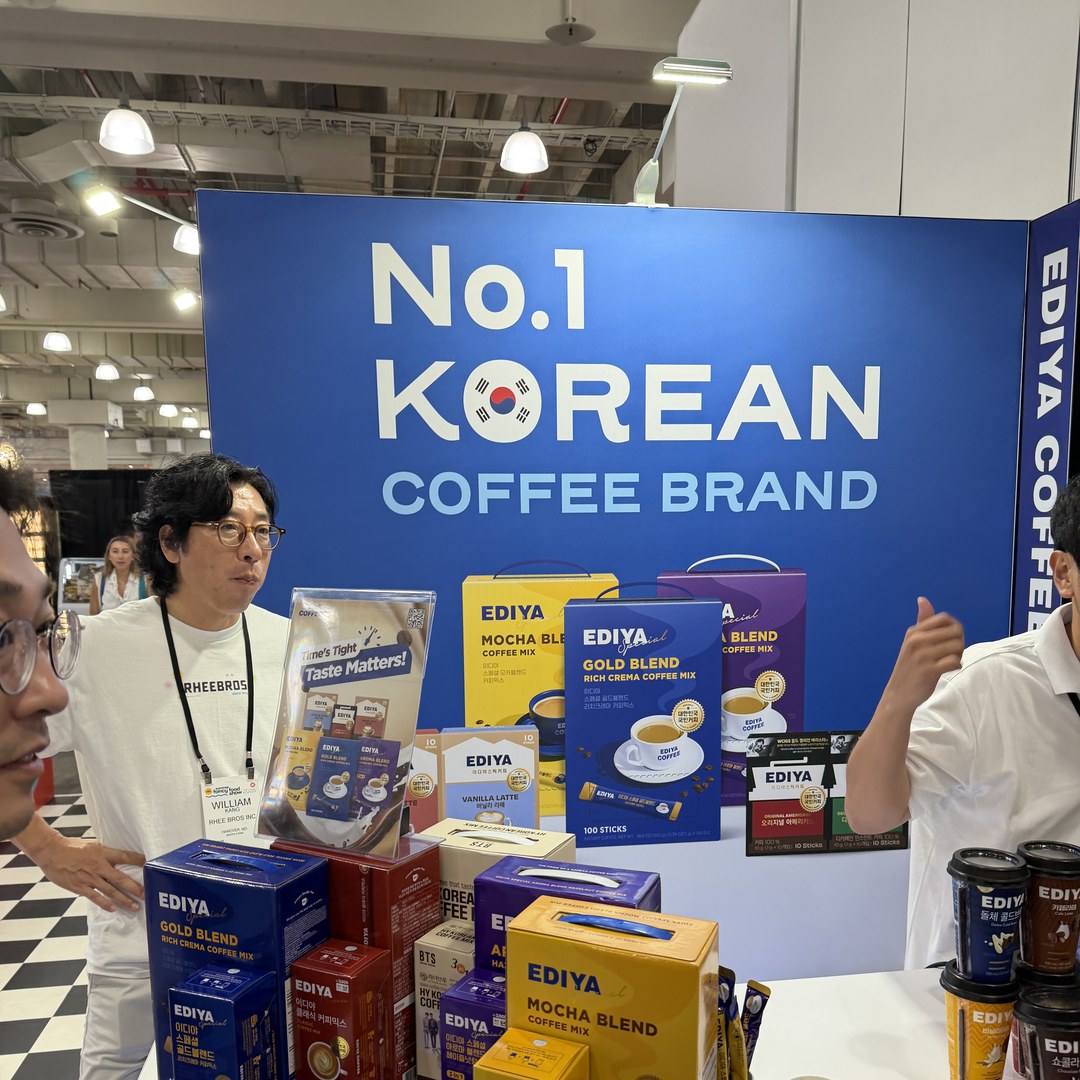
The premium end belonged to Korea. Trend brands aimed squarely at Gen Z, riding the same K-pop current running through the rest of pop culture. Complete meals, noodle pouches, and noodle bowls delivered authentic flavors in convenient formats. Nongshim built its booth as a full convenience store of noodles and snacks, topped with a mock airport departures board for effect, and EDIYA staked its claim as Korea’s coffee brand. Culture creates the demand.
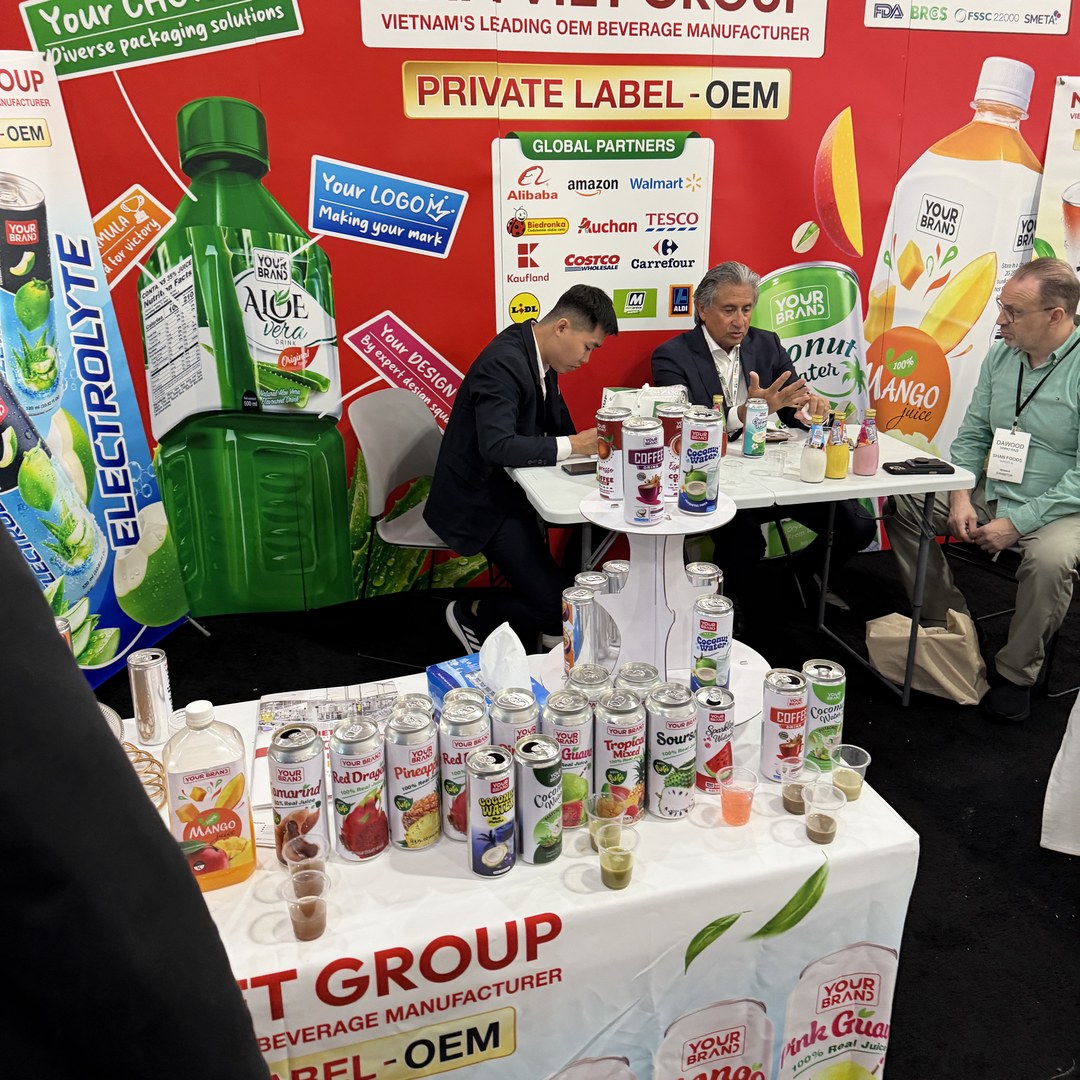
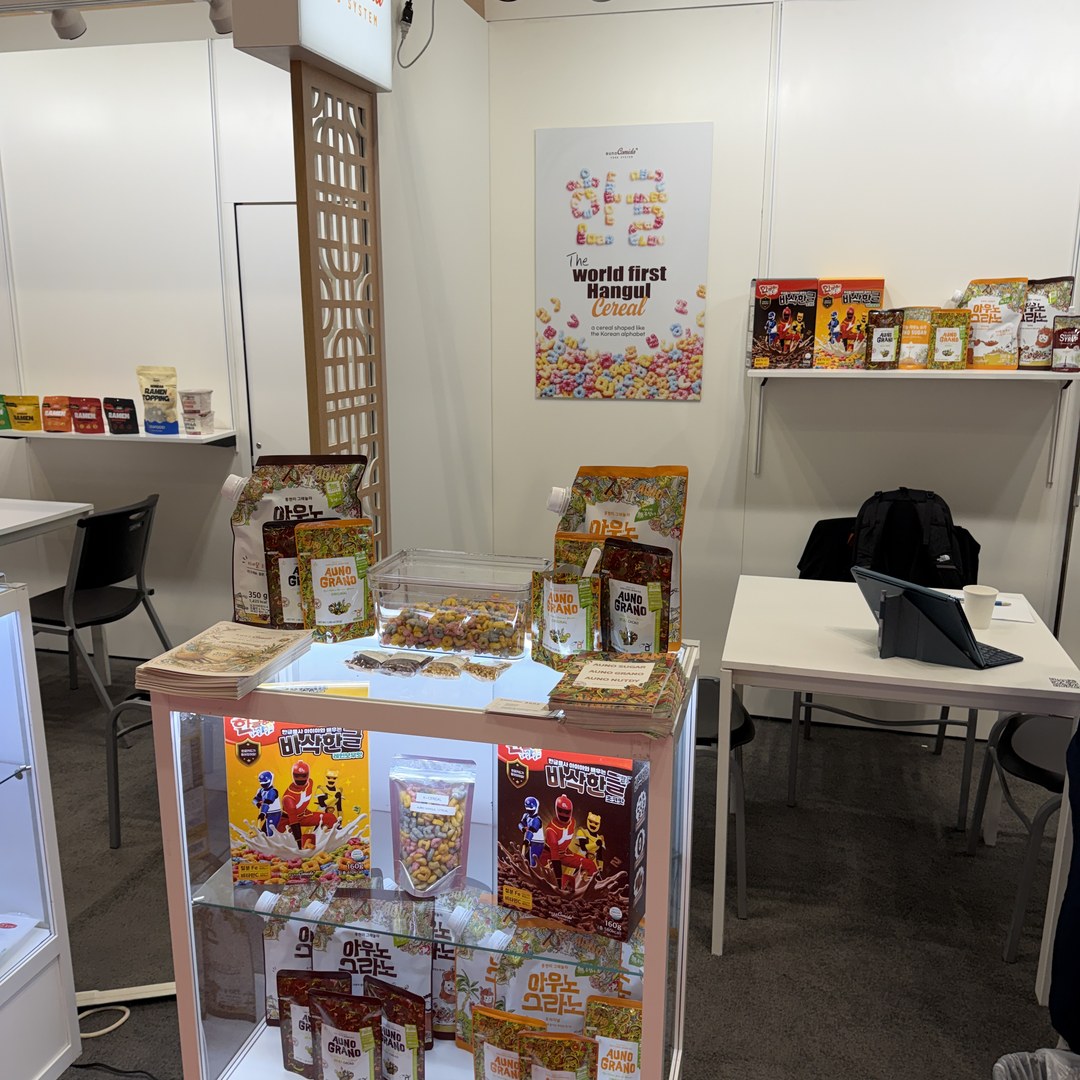
The opening-price end was a different roster. Chinese and Vietnamese manufacturers led it, with a smaller Korean presence, offering staples in core beverages, breakfast cereal, and juices. Capacity captures the volume. Many of these manufacturers first connected with US buyers during COVID supply shortages, and they are back to convert that opening into a permanent position.
The part that should get a manufacturer’s attention is the booth locations. These companies were not tucked into a bashful country-pavilion corner. They stood in the middle of the key trade floor, alongside every premium brand. The signal is hard to miss. Low-cost import competition is no longer confined to the commodity aisles. Asia has built the capacity, and it came to this show looking for the demand.
The quiet categories were less interesting than the loud ones this year. Sustainability messaging, plant-based platforms, and adaptogens kept a low profile, and tinned fish took a smaller share of the conversation than it did a year ago. None of that surprised me. This is not Expo West, where natural claims win the day. Fancy Food is a show about flavor exploration, and this year it stayed true to that identity.
Pull the three stories together and they are not three versions of one trend. They are the parts of a new ecosystem for getting food to market. AI has made it cheap to design a brand, a package, and a pitch. Asian contract manufacturers have made it cheap and fast to turn that idea into cases of finished product. And shows like this one, along with the retailers who shop them, reward novelty enough to give the result a real shot at the shelf. A founder who once needed a team, a plant, and several years now needs an idea, a laptop, and an overseas partner. The distance from concept to shelf has gone from a marathon to a sprint, and the three trends on this floor are what that sprint looks like in practice.
That system produces abundance, and abundance changes where advantage lives. A recognizable brand name matters less when a hundred new names launch beside it. A good story matters less when every booth has one. The assets that hold their value are the ones this pipeline cannot easily reproduce: a real relationship with the retailer, a supply chain that delivers on cost and reliability, category resources to identify real consumer needs, and the speed to move before an opening closes. When almost anyone can create and manufacture a product quickly, the winners are decided by who owns the shelf, who owns the cost curve, and who moves first. That is the sentence worth carrying into your next planning meeting.
The practical follow-up is a conversation with your retail partners. Ask what role opening-price importers are starting to play in their assortment decisions. Their answer will tell you how quickly this reaches your categories, and how much runway you have to respond.
Spotted something we missed at Fancy Food 2026? We are always up for a conversation.
Reach out, we would enjoy hearing your take.
When you’re busy with the daily demands of your job, it’s easy to overlook the opportunities that will drive long-term growth. When you become a member of a Drive Wheel peer group, you can identify new strategies, reduce risk, and make confident decisions that will grow your business faster and more strategically.
We host two-day in-person meetings twice a year where leaders discuss their new strategies, innovation plans, and business challenges to get feedback from their peers. Members leave the meeting knowing they have thought about their idea from every angle. Between meetings, we conduct benchmarking studies and weekly news roundups to keep our members informed about changes in the industry.
Groceryshop 2026: The Regional Grocer Is Becoming a Warehouse, and Instacart, DoorDash, and AI Shopping Agents Are Becoming the Retailer Groceryshop is the grocery industry’s
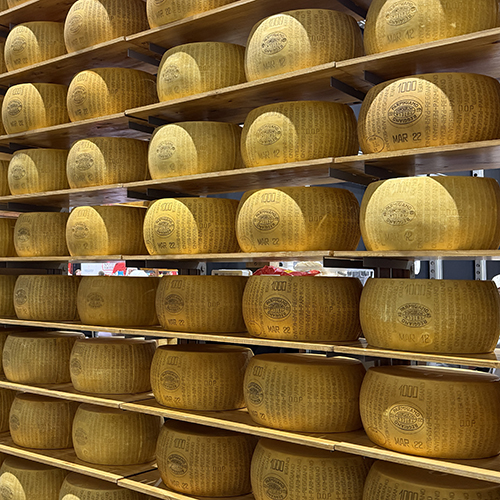
Fancy Food 2026 – Concept to Shelf Just Got a Lot Shorter: A New Ecosystem for Getting New Products to Market Walking the Summer Fancy
Summer Speaker Series: Retailers are putting new technology to work across the path to shelf, from autonomous freight to digital shelf tags. For this series,
Foodservice Looks Like It’s Still in Value Mode. The 2026 Restaurant Show Showed That’s Only Half the Story. Walking the 2026 National Restaurant Show floor
A CPG manufacturer’s guide to GS1 Sunrise 2027, the move to 2D barcodes on consumer packaging, and the future of GS1-128 and GS1 DataMatrix on shipping cases.